Blog

Vertical crack or horizontal crack? Clarkstown's clay soil and frost pressure make some foundation cracks urgent. How to tell the difference. 845-671-5595.
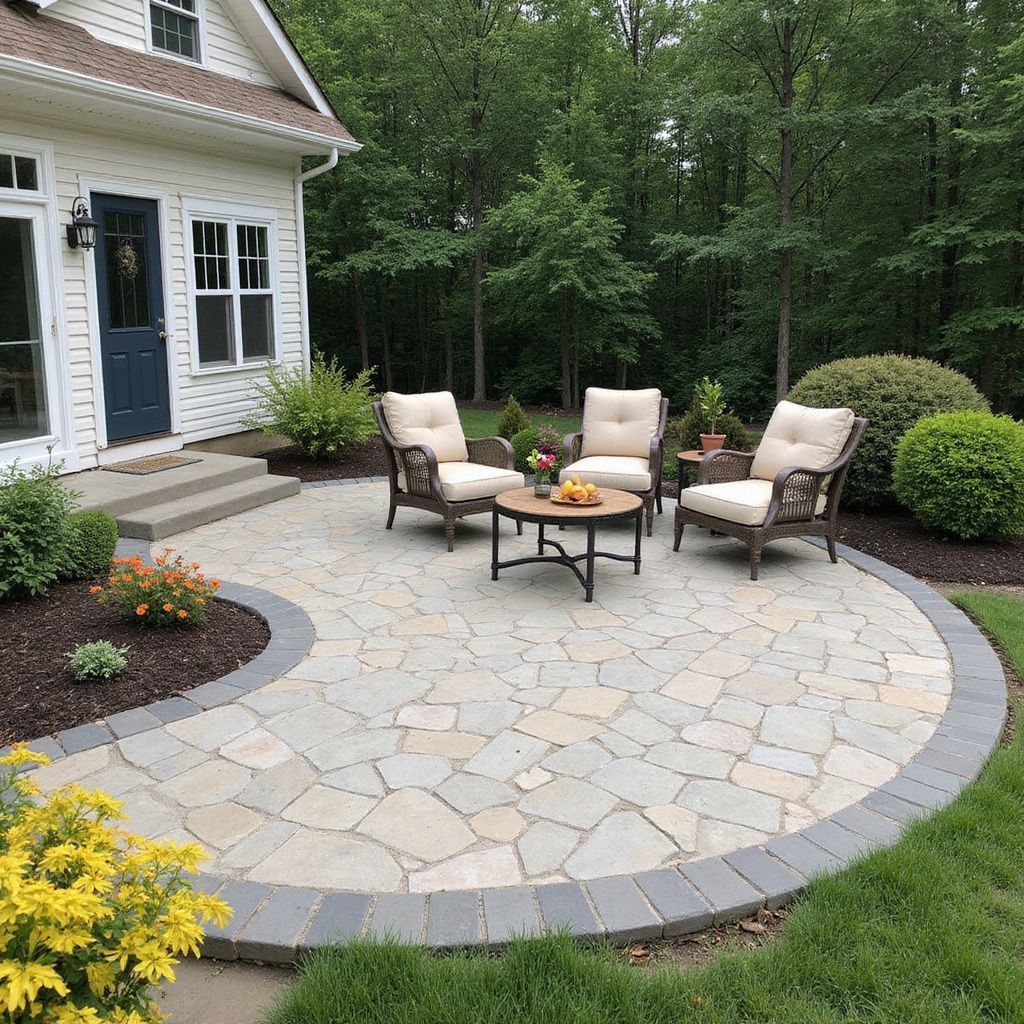
Wondering if your Rockland County patio needs resurfacing? Get expert advice from Clarkstown Concrete. Call 845-671-5595 to schedule a free estimate today!
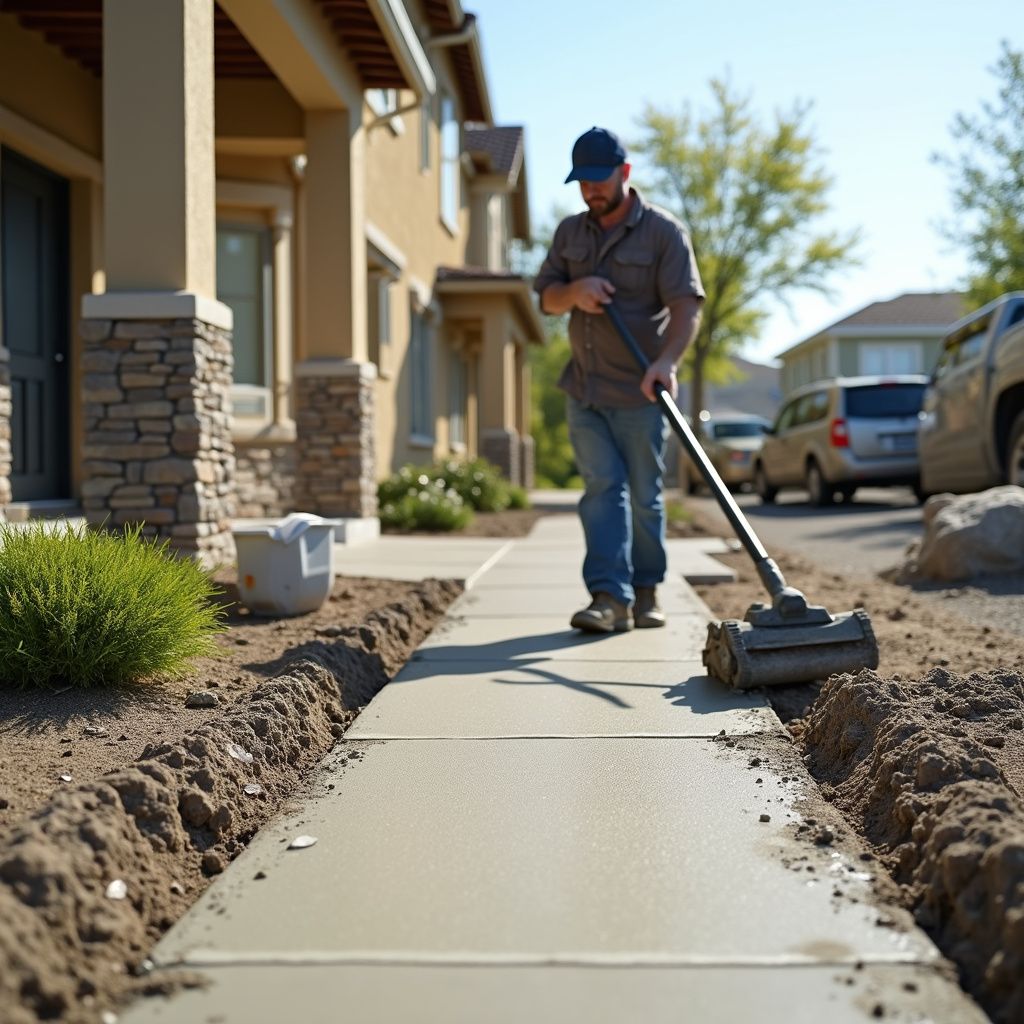
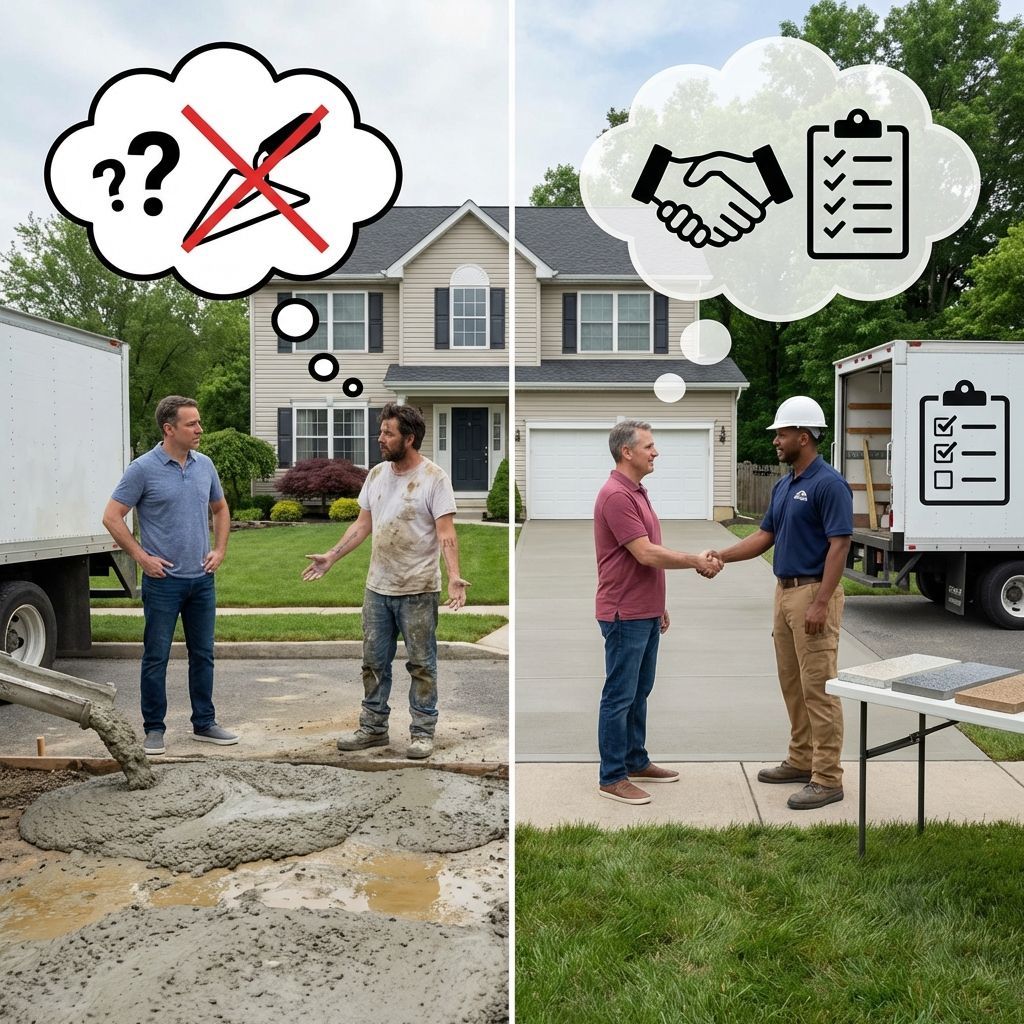
Concrete is one of the most permanent decisions you'll make about your home. A poorly installed driveway, patio, or foundation doesn't just look bad — it fails. And in Rockland County, where winter freeze-thaw cycles can destroy improperly mixed or finished concrete within a few seasons, the contractor you choose determines whether your investment lasts 30 years or needs replacement in five. The Clarkstown concrete market has the same problem as most suburban New York contracting markets: it's easy to find someone willing to pour concrete, and very hard to tell the difference between a professional operation and a crew that will do substandard work, take your deposit, and be unreachable when the cracks appear in spring. This guide explains exactly what to verify before you hire anyone to pour concrete on your Clarkstown property. 1. New York State Licensing — What's Actually Required Here New York State does not license individual concrete contractors at the state level the way California does with its C-10 license. However, Rockland County and the Town of Clarkstown have their own contractor registration and permitting requirements that matter just as much. Any concrete project in Clarkstown that involves structural work — foundations, retaining walls, concrete slabs connected to a structure — requires a building permit from the Town of Clarkstown Building Department. Driveways and patios that meet certain size thresholds may also require permits depending on the scope of work. What to ask every contractor: "Will you pull the permit for this project?" If the answer is no or they suggest you pull it yourself, that's a red flag. Licensed, legitimate contractors in Rockland County handle their own permits. "Are you registered with Rockland County as a home improvement contractor?" New York requires any contractor performing home improvement work to register with the county. You can verify contractor registrations through the Rockland County Consumer Protection office. "Do you carry general liability insurance and workers' compensation?" Get the actual certificates — not just a verbal yes. Unregistered, uninsured contractors are common in the Hudson Valley home improvement market. If something goes wrong with an unlicensed crew — a worker injury, property damage, a failed inspection — you bear the liability. The few hundred dollars you might save hiring the cheapest option can become tens of thousands in exposure. 2. The Freeze-Thaw Problem: Why Clarkstown Concrete Mix Matters More Than You Think This is the technical factor that separates contractors who understand Rockland County from those who don't. Clarkstown experiences roughly 100 freeze-thaw cycles per year — days where temperatures cross above and below 32°F. Every time this happens, water that has entered porous concrete expands as it freezes, creating internal pressure that gradually breaks down the concrete matrix. This is called freeze-thaw spalling, and it's the primary reason driveways and patios in the Northeast fail long before their expected lifespan. The solution isn't complicated — but it requires a contractor who actually specifies it: Proper concrete mix for Rockland County conditions: Minimum 4,000 PSI compressive strength for driveways and exterior flatwork (some contractors cut costs using 3,000 PSI, which is insufficient for our climate) Air entrainment of 5–7% — microscopic air bubbles deliberately introduced into the mix that give water room to expand during freezing without fracturing the concrete Water-cement ratio no higher than 0.45 — lower ratios produce denser, less permeable concrete that resists moisture infiltration When you're getting quotes, ask each contractor: "What PSI mix are you specifying, and will the concrete be air-entrained?" A contractor who can answer this specifically and explain why it matters for New York winters knows what they're doing. A contractor who gives you a vague answer, tells you "it's standard mix," or doesn't know what air entrainment means is not the right person to pour your driveway. This is not an obscure technical detail — it's basic concrete specification for cold climates. Any professional concrete contractor in Rockland County should answer this question immediately and confidently. 3. Subbase Preparation: The Work You'll Never See That Determines Everything The most consequential work in any concrete project happens before a single cubic yard of concrete is poured. Subbase preparation determines whether your new driveway or patio remains flat and crack-free for decades, or begins settling and cracking within a few years. What proper subbase preparation includes for Clarkstown properties: Clarkstown sits on a mix of soil types — from the sandy loams near the Hackensack River watershed to heavier clay soils in the upland areas of New City and West Nyack. Clay soils in particular are problematic for concrete because they expand when wet and contract when dry, creating movement beneath the slab. A contractor who doesn't account for your specific soil conditions is guessing. Proper subbase work involves: Excavating to the correct depth — typically 6–8 inches below finished grade for driveways, accounting for the concrete thickness plus compacted base material Compacted gravel base of 4–6 inches — provides drainage and a stable platform that won't shift with soil movement or freeze-thaw cycles Addressing drainage before pouring — water that pools under a slab accelerates heaving and cracking. A competent contractor evaluates drainage patterns before work begins and grades accordingly Rebar or wire mesh reinforcement where appropriate — for driveways and slabs that will carry vehicle loads, internal reinforcement isn't optional Ask any contractor you're considering: "How deep are you excavating, and what thickness of compacted base are you installing?" If they're not specifying at least 4 inches of compacted gravel base on top of proper excavation, they're cutting a corner that will cost you money later. 4. Concrete Finishing and Curing: Where Visible Quality Comes From Two additional factors determine the long-term performance and appearance of your concrete: Finishing. Exterior concrete in Clarkstown should have a broom finish — a texture applied while the concrete is still plastic that provides traction in rain and ice and helps the surface resist spalling. Contractors who over-trowel exterior concrete (creating a smooth, shiny surface) are actually reducing its durability in freeze-thaw conditions because the dense surface layer can delaminate. For stamped concrete, the skill of the finishing crew is everything — patterns need to be applied at the right concrete consistency, and color hardeners need to be properly broadcast and worked in. Ask to see photos of completed stamped projects, not just renders or catalog images. Curing. Fresh concrete needs to retain moisture for a minimum of 7 days after pouring to properly hydrate and reach design strength. In summer heat, this means covering slabs with curing compound or wet burlap. In cold weather, it means protecting fresh concrete from freezing — concrete poured when temperatures are below 40°F requires cold-weather protection protocols including heated enclosures or insulating blankets. Ask: "How do you handle curing, and what are your cold-weather concrete procedures?" Any contractor pouring concrete in October through April in Rockland County who doesn't have a specific answer to the cold-weather question is flying blind. 5. What a Real Quote Includes — and the Red Flags in Vague Ones Professional concrete contractors provide written, itemized quotes. A legitimate quote for a driveway or patio project should specify: Total square footage and thickness Concrete mix specification (PSI, air entrainment) Excavation depth and base material thickness Reinforcement type (rebar size and spacing, or wire mesh) Finish type (broom, exposed aggregate, stamped pattern/color) Included demolition and disposal of existing concrete (if applicable) Timeline and payment schedule Warranty terms Red flags in the quoting process: A quote that is just a number — "driveway, $8,500" — with no specification details is not a professional quote. You have no basis to compare it to other bids, and you have no documentation if the contractor delivers something different than what you understood you were getting. Contractors who demand large upfront deposits before any work begins (more than 25–30%) warrant caution. A standard payment structure for a concrete project is a deposit at signing, a draw at mobilization, and the remainder at completion. Be wary of contractors who offer prices dramatically below every other quote. Concrete has real material costs — the ready-mix truck, the crew, the base material. A price that seems too good to be true usually means something is being skipped: thinner concrete, no base preparation, a lower-strength mix, or a crew that won't show up when problems arise. 6. The Rockland County Permit Reality Homeowners in Clarkstown sometimes work with contractors who suggest skipping permits to save time and money. This is a mistake that compounds over time. Why permits matter for Clarkstown concrete work: A new concrete driveway, foundation, or significant patio in Clarkstown requires a building permit from the Town of Clarkstown Building Department. The permit triggers an inspection, which verifies the work meets code. That inspection record becomes part of your property's file. When you go to sell your home, unpermitted concrete work can complicate the transaction. Buyers' attorneys request building permits for any significant work, and if none exists for a clearly recent driveway or patio, it raises questions. Some lenders won't finance purchases with unresolved permit issues. You may be required to obtain a retroactive permit — which can require exposing work that's already been poured to demonstrate it was done correctly. The permit fee is a small fraction of the project cost. Any contractor who frames permit avoidance as doing you a favor is actually creating a future problem you'll deal with at the worst possible time. 7. Local References and Clarkstown-Specific Experience The final test is the simplest: ask for references from recent projects in Clarkstown and Rockland County specifically, and follow up on them. Questions worth asking references: Did the contractor show up on schedule, and did the project finish on time? Was the final price consistent with the quote? How does the concrete look after a winter or two? Any cracking or spalling? If there were any issues, how did the contractor respond? A contractor with legitimate Clarkstown experience will have references you can verify. One who is new to the market, operating under a different name after past complaints, or working primarily outside the county may not. Check Google reviews, the Rockland County Better Business Bureau, and Nextdoor for your neighborhood — Nextdoor in particular is where local homeowners give candid opinions about contractors they've actually used on their street. Clarkstown Concrete serves Clarkstown, New City, West Nyack, Nanuet, Pearl River, Valley Cottage, Congers, Bardonia, Spring Valley, Nyack, and communities throughout Rockland County. We pour driveways, patios, foundations, slabs, sidewalks, and stamped concrete with proper mix specifications for Rockland County's climate, full Clarkstown building department permit compliance, and subbase preparation built to last. Call 845-671-5595 for a free estimate. We provide written, itemized quotes with full material specifications — no vague numbers, no surprises.